Cooling systems for the food and beverage industry
In food and beverage production, temperature determines product safety, shelf life and taste. We build the whole chain, from process water and post-pasteurization cooling to filling lines and cold storage.

Applications
Machines and processes in this industry for which we have installed cooling systems.
- Juice and water bottling plants
- Carbonated drink filling lines
- Milk cooling
- Pasteurization lines
- Food process lines
- Food filling machines
- Bakery production
What does cooling solve?
The needs we encounter most often in plants in this industry.
- Fast, hygienic cooling for milk and dairy products
- Fast cooling after pasteurization
- Chilled water for product and CO₂ solubility before filling
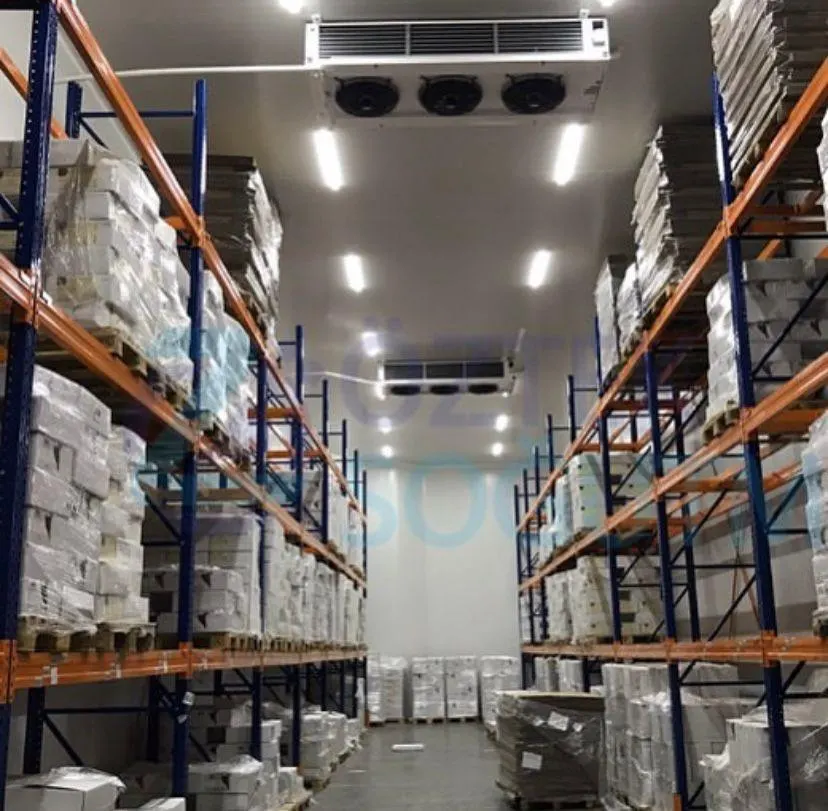
- Cold storage and blast-freezing rooms
Process cooling in food production
In bakery, chocolate, dairy, beverage and ready-meal production, keeping the product at a set temperature determines both quality and food safety. Dough water, crystallisation tanks, fermenters, product after pasteurisation and product on the filling line are cooled in a controlled way with chiller water.
Hygiene and material selection
Circuits in direct or indirect contact with the product use stainless heat exchangers and food-grade propylene glycol. The product side is separated from chiller water by a plate heat exchanger so that the product is not contaminated in case of a leak.
Sub-zero process cooling
Chocolate, ice cream and some beverage processes need a coolant below zero. In these applications glycol chillers reach −10 °C and below; the glycol ratio is chosen according to the lowest operating temperature.
Frequently asked questions
How is a chiller selected for dough water?
It is calculated from daily water demand, mains water temperature and the required water temperature. With an insulated chilled water tank, water can be cooled at night and used during the day.
What is the difference between a chiller and a cold room in a food plant?
A cold room cools air to store the product, while a chiller cools water or glycol during production to keep the process, machines and product at a set temperature.
Can glycol harm food?
Food plants prefer food-grade propylene glycol, and the product side is separated by a heat exchanger. Ethylene glycol should not be used in circuits with a risk of product contact.
Recommended products
Final selection is made after the heat load calculation.