Dry cooler systems
Capacity to projectNo water consumption
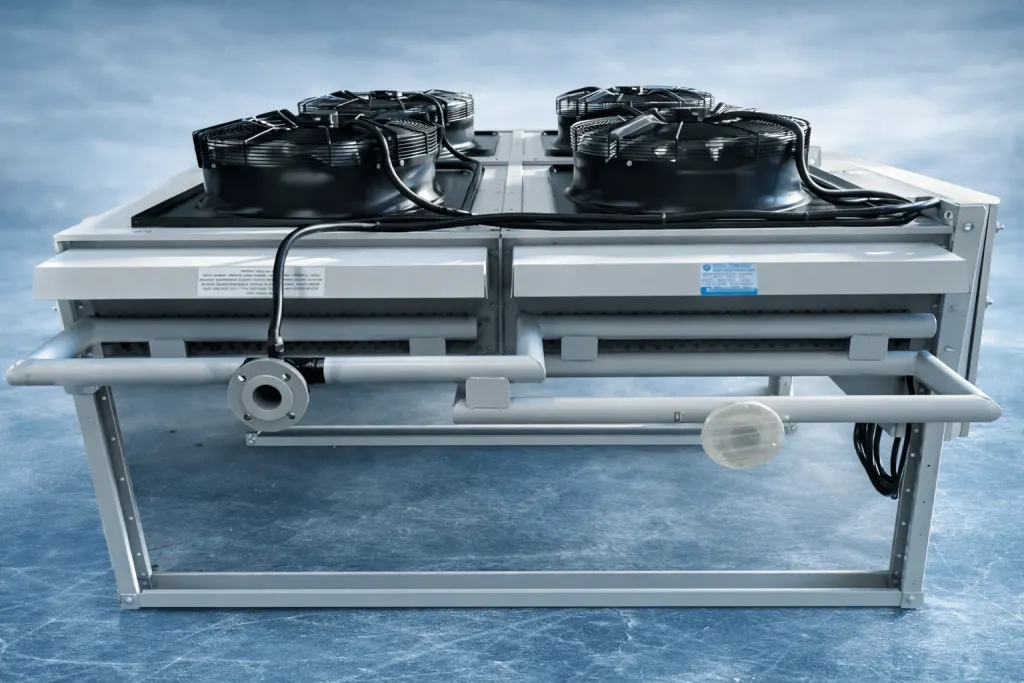
Dry coolers reject heat by passing hot water or a water-glycol mixture through a fan-cooled coil in a closed loop. The water stays inside the tubes: no evaporation, no contamination, no chemical treatment.
- Operation
- Closed-loop heat rejection
- Fluid
- Water or water-glycol mixture
- Water consumption
- None
- Maintenance
- Coil cleaning and fan checks
- Free cooling
- Lets the chiller switch off in cold months
Images
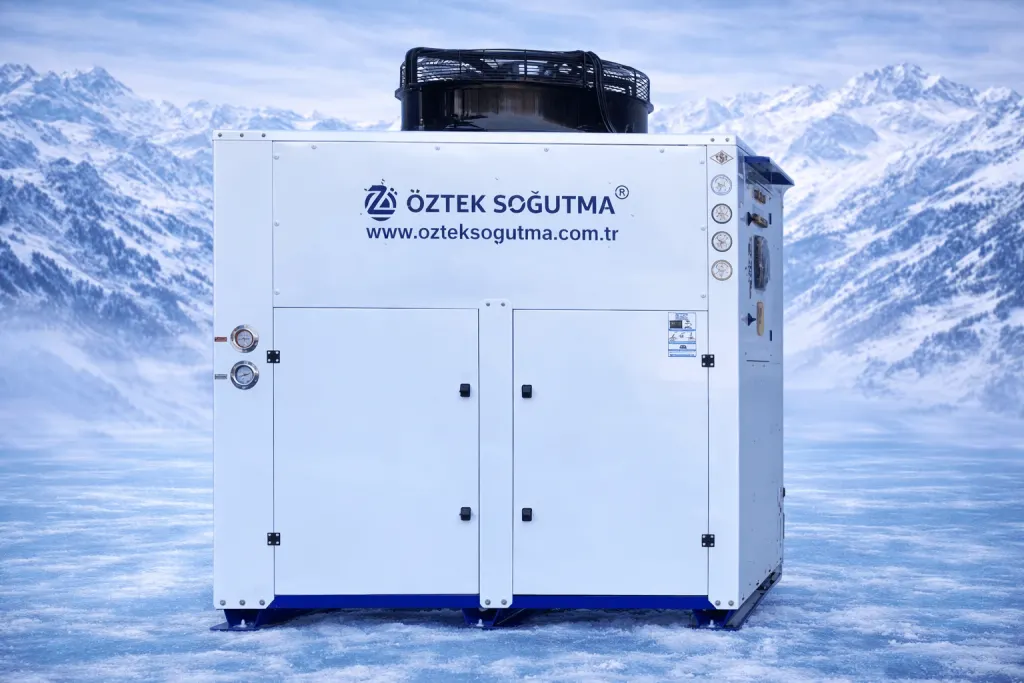
Industrial dry cooler 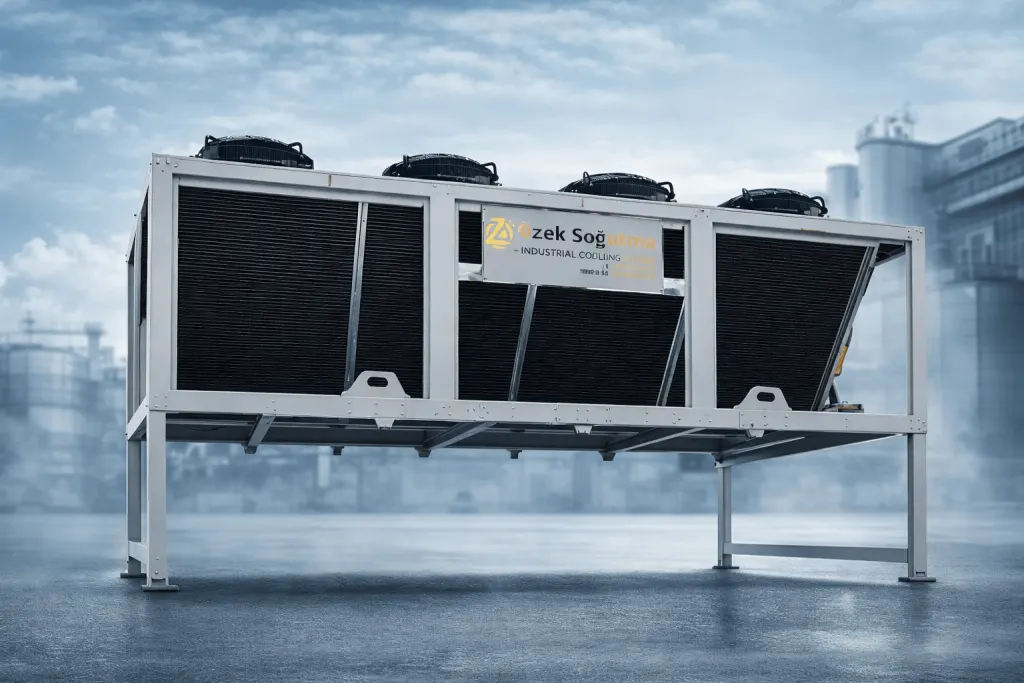
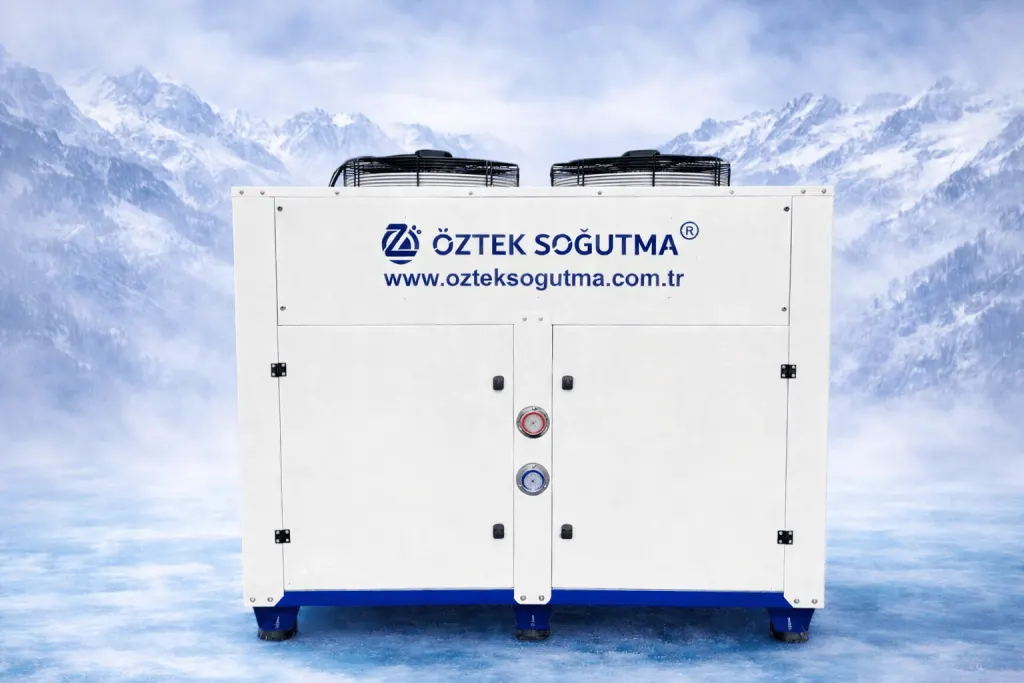
Modular dry cooler 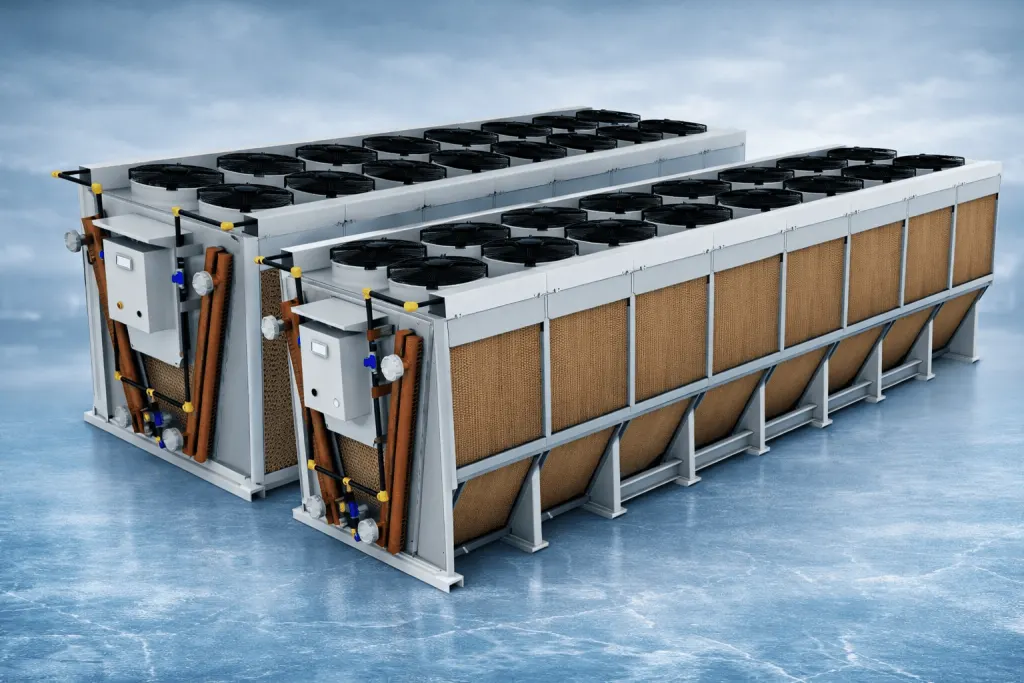
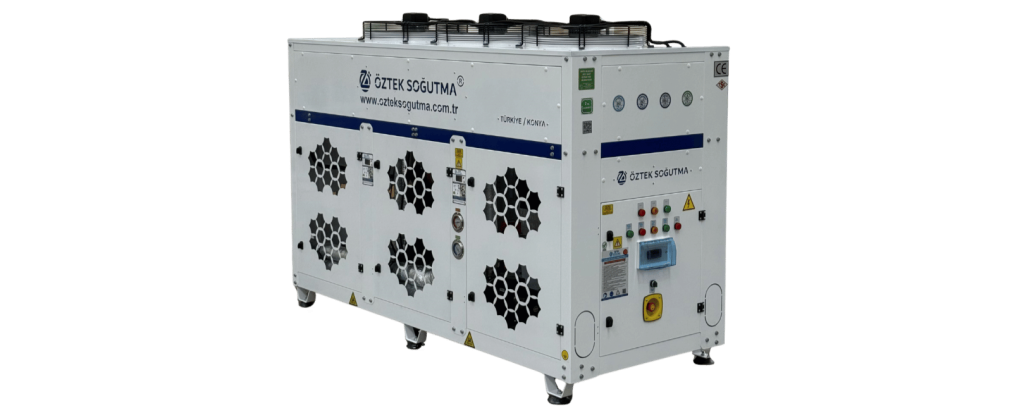
High-capacity dry cooler 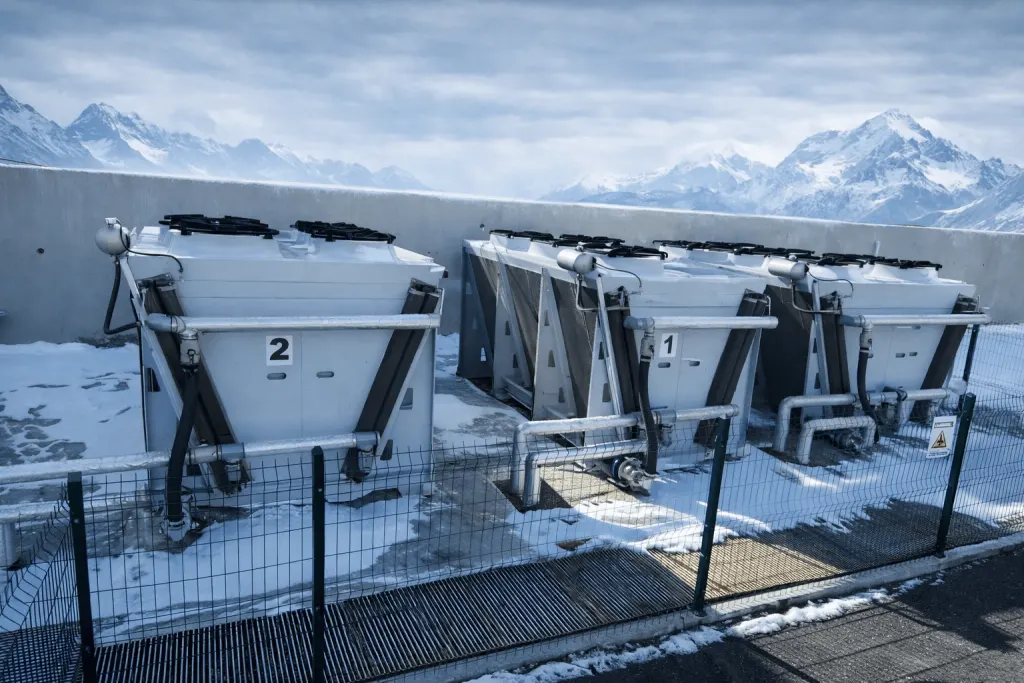
Project-specific dry cooler 
Outdoor installation
Applications
- Chiller condenser circuits
- Hydraulic and machine oil cooling
- Generator and transformer cooling
- Power plant auxiliary circuits
- Free cooling
Frequently asked questions
What water temperature does a closed-type cooling tower (dry cooler) deliver?
A dry cooler cannot cool water below the outdoor air temperature; outlet water is usually a few degrees above ambient. It is therefore ideal for high-temperature circuits, condenser water and free cooling in cooler months. If colder water is needed, it is used together with a chiller.
What is the difference between closed and open cooling towers?
In an open tower the water contacts the air and cools by evaporation; it reaches lower temperatures but consumes water and needs scale, fouling and hygiene maintenance. In a closed type the water circulates inside a coil without touching the air, so there is no water consumption, the circuit stays clean and maintenance is much easier.
How is freezing prevented in winter?
When outdoor temperatures drop below zero, a water-glycol mixture is used in the circuit; the glycol ratio is chosen according to the lowest local temperature. Fan speed and bypass control also stop the water temperature from falling too far.
How is a dry cooler used together with a chiller?
In cooler months the dry cooler cools the water with fan energy only, switching off the chiller compressors (free cooling); in mid-season it reduces the chiller load, and in summer the chiller runs alone. This arrangement clearly lowers annual energy consumption.
How cold can a dry cooler make the water?
A dry cooler cannot cool water below ambient temperature; the achievable water temperature is the dry-bulb temperature plus the approach. It is ideal where the target water temperature can stay a few degrees above ambient.
Can a dry cooler replace a cooling tower?
Yes, if the required water temperature allows it. A dry cooler uses no water, carries no legionella or scaling risk, and has a low corrosion risk. Where very low water temperatures are needed, it is combined with a chiller.