
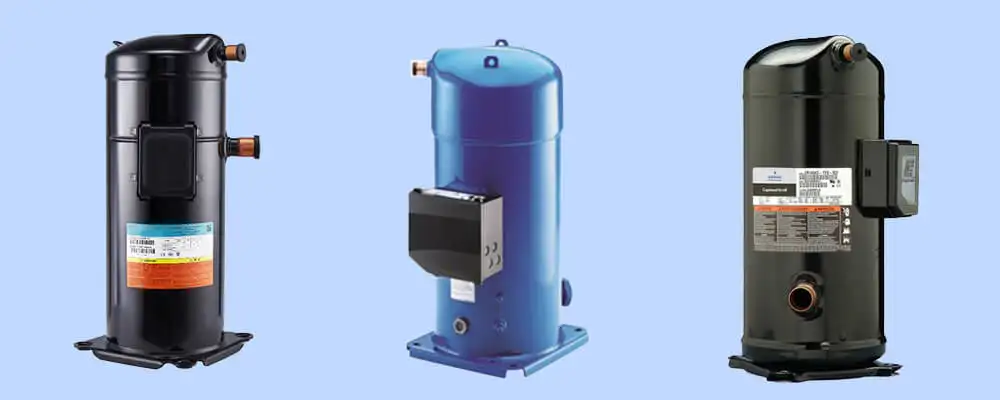
In the energy and gas sector, compressors, pumps and process equipment generate heat continuously. If this heat is not removed safely, compressors trip, filling times grow and the facility stops. From CNG stations to LNG facilities and from industrial gas filling to fuel terminals, every application has different cooling needs. This page brings together the cooling applications of the sector.
What is cooled in energy and gas facilities?
- Intercoolers and aftercoolers of gas compressors
- Compressor oil and cylinder jacket circuits
- Gas before storage and filling
- Pump bearings, seals and hydraulic circuits
- Electrical and control panels
Applications
CNG station gas cooling
Compressed gas heats up, so vehicle tanks are not filled completely. Cooling the gas before storage improves filling efficiency.
CNG compressor cooling
Chiller selection, capacity approach and maintenance for the intercoolers and oil circuit of multi-stage compressors.
LNG facility compressor and gas cooling
Redundant cooling systems for boil-off gas (BOG) compressors and auxiliary equipment.
Gas filling plant chiller selection
Protecting compressors and filling quantity in industrial and medical gas, LPG and CNG filling.
Oil and fuel facility cooling
Chiller and dry cooler solutions for vapour recovery compressors, pumps and oil circuits.
Cooling with gas heat exchangers
Compressor intercoolers and aftercoolers, gas-water exchangers and selecting the chiller that feeds them.
Natural gas cooling
Cooling natural gas at compressor stations, in gas drying and in CNG applications.
Hydrogen compressor and refuelling cooling
Chillers and dry coolers for hydrogen compression stages, heat exchangers and pre-cooling before dispensing.
Biomethane and biogas compression cooling
Gas drying, membrane and compressor cooling, bio-CNG compression.
Virtual pipeline cooling
Compressor and tube trailer filling gas cooling at CNG mother stations.
Gas compressor: dry cooler or chiller?
Choosing the right cooling system for compressor intercoolers and heat exchangers.
Which system is used?
Circuits needing water below ambient temperature use an industrial chiller, while circuits working at higher temperatures use a closed-type cooling tower (dry cooler) that consumes no water. In facilities with several compressors, a central chiller system can cool all equipment from one point with redundancy.
Safety and layout
Gas and fuel facilities are usually classified as hazardous areas. The cooling unit is placed outside this area and connected to the equipment by a closed water circuit. Facilities that must run without interruption get redundant pumps and chillers, fault alarms and remote monitoring.
Information needed for the project
- Compressor and equipment list with the heat loads given by the manufacturers
- Required water temperatures and flows
- The facility's hazardous area classification
- Highest and lowest ambient temperature of the site
Frequently asked questions
Why is a gas compressor cooled?
Gas heats up as it is compressed. If cooling is insufficient, compressor efficiency falls, the temperature safety stops the compressor and equipment life shortens.
Can a chiller be installed in a hazardous area?
A standard chiller is not installed in a hazardous area. The unit is placed outside the area boundary and connected to the equipment by a water circuit.
Can cooling be added to an existing facility?
Yes. After reviewing the existing coolers and circuits, a chiller, dry cooler and water circuit can be added.
Tell us about your project. Send your product, quantities and location via WhatsApp or e-mail; our engineers will calculate the load and recommend the right system in writing.