
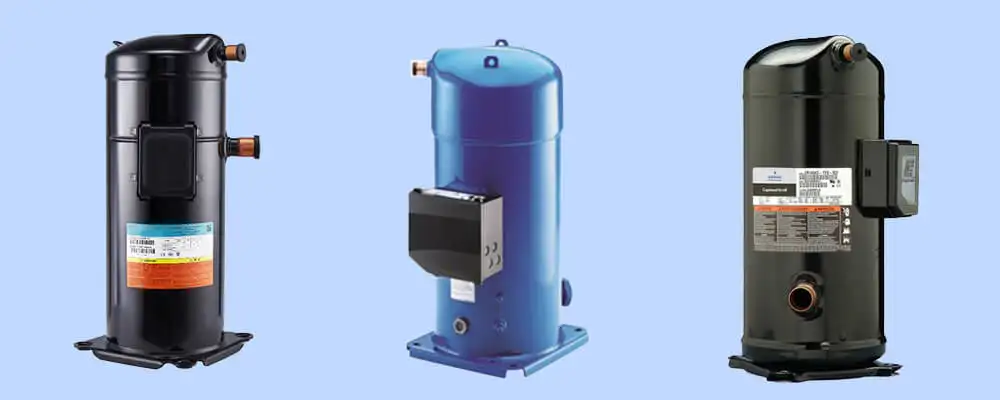
CNG compressor cooling is one of the most critical issues for stations and plants that compress natural gas to high pressure. Each compression stage generates a large amount of heat; if it is not removed, the compressor trips on temperature protection, capacity falls and parts wear early. Behind the complaint "the compressor overheats all summer and filling slows down" there is usually insufficient cooling.
Where does the heat come from?
CNG compressors are usually multi-stage. After each stage the gas heats up and is cooled in an intercooler before the next stage; after the last stage an aftercooler cools the gas before storage or dispensing. Cylinder jackets, oil and motor also need cooling.
Air-cooled or water-cooled?
In air-cooled compressors heat goes directly to the ambient air, so cooling weakens as ambient temperature rises. In water or glycol circuits the heat is removed by a chiller or dry cooler. With a chiller the cooling water temperature can be held constant regardless of the weather, which reduces capacity loss on hot days.
Sizing
The compressor manufacturer's heat rejection data (intercooler/aftercooler, jacket and oil loads), the required water temperatures and the summer design temperature of the site are evaluated together, with a safety margin and future compressors.
Hazardous areas (ATEX) and layout
In gas facilities, explosive atmosphere zones are defined by the site risk assessment. The location of the cooling unit, its electrical equipment and piping must follow this classification. In most projects the chiller is placed outside the hazardous zone and reaches the compressors and heat exchangers through a cooling water or glycol line. The final layout is set by the site ATEX documentation and the approval of the responsible engineer.
Maintenance
- Scaling and fouling checks in heat exchangers
- Glycol ratio and frost protection
- Pump and flow switch checks
- Condenser and dry cooler coil cleaning
CNG compressor types and cooling needs
CNG stations usually use multi-stage reciprocating compressors. Gas heats up as it is compressed in each stage and is cooled in an intercooler before entering the next stage. Gas leaving the last stage passes through an aftercooler before storage and filling. Compressor oil and, on some models, cylinder jackets also need cooling. When cooling is insufficient, stage temperatures rise, the compressor trips for safety and filling time increases.
Example capacity approach
The required cooling capacity is set from the heat rejection data given by the compressor manufacturer and the operating conditions on the hottest summer day. On the water side, capacity is calculated from flow and temperature difference: Q (kW) = flow (m³/h) × 1.163 × ΔT (°C). For example, cooling 8 m³/h of water by 5 °C means about 47 kW. A margin should also be left for compressors to be added later.
Water quality and glycol
Intercooler channels are narrow; if scale and dirt build up, heat transfer falls quickly. A closed, filtered and treated water circuit is therefore used. In regions with frost risk in winter, a suitable glycol ratio is added.
To see all cooling applications in the energy and gas sector in one place, visit our energy and gas sector cooling page.
Frequently asked questions
Why does my CNG compressor fail in summer?
Usually because the cooling water or air temperature rises and the compressor trips on temperature protection; cooling capacity should be checked against summer conditions.
Can a chiller be added to an existing compressor?
Yes, if the compressor cooling circuit is suitable; heat loads and connection points are checked on site.
What chiller capacity does a CNG compressor need?
It depends on the number of stages, the power and the heat rejection value given by the manufacturer. Send us the compressor nameplate data and the station's daily filling volume and we will calculate the capacity with you.
What is the difference between a cooling tower and a chiller?
Tower water warms up with the outdoor air in summer and consumes water. A chiller delivers water at a constant temperature even on hot days and, as a closed circuit, causes no scaling or water loss.
Send us your compressor data and target temperatures; our engineers will calculate the cooling requirement with you.